Silver-plated and oxidized silver-plated brass
Man Ray enjoyed chess, relishing that the game by design requires both strategy and spontaneity to play. Though Man Ray remained “a third-rate player,” as he put it, his interest in the game “was directed towards designing new forms for chess pieces.” Manufactured in 1926 and based on his design for an earlier turned-wood set, Man Ray’s chess set converts the familiar form of every chess piece into a more stylized shape that relies on associations—such as the connection between a king and an Egyptian pyramid—to reveal each piece’s identity.
2019
Explore more
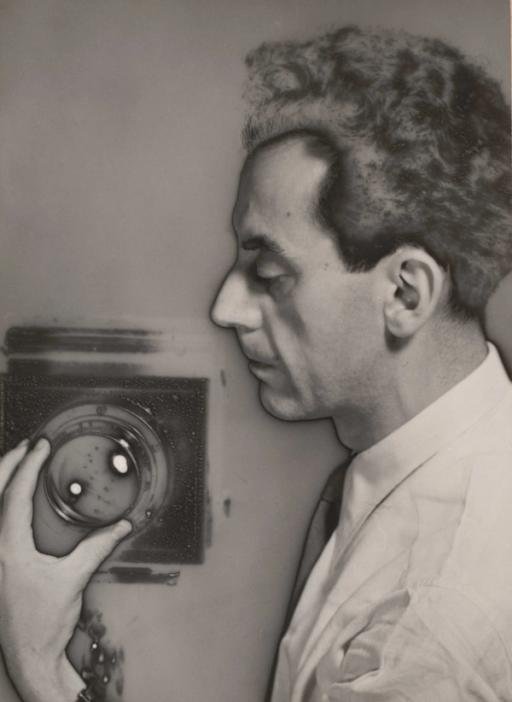
Man Ray (Emmanuel Radnitzky)
American, 1890–1976 190 works onlineSo enthused Man Ray (born Emmanuel Radnitzky) in 1922, shortly after his first experiments with camera-less photography. He remains well known for these images, commonly called photograms but which he dubbed “rayographs” in a punning combination of his own name and the word “photograph.
Learn more →

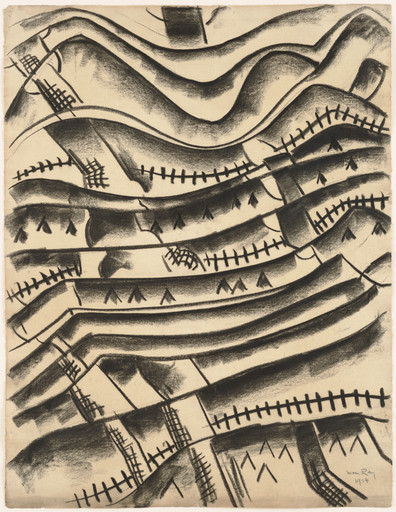
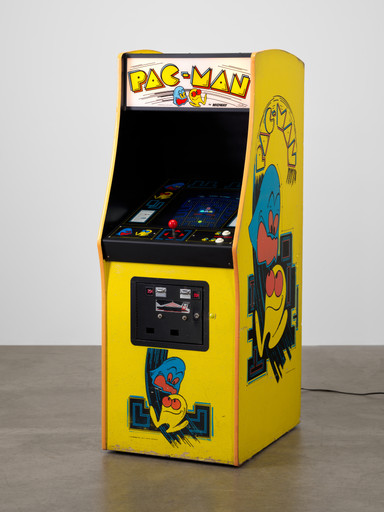
Games
A designed experience in which a set of rules balances chance and/or the skill of other participants with a player’s decisions.
Learn more →
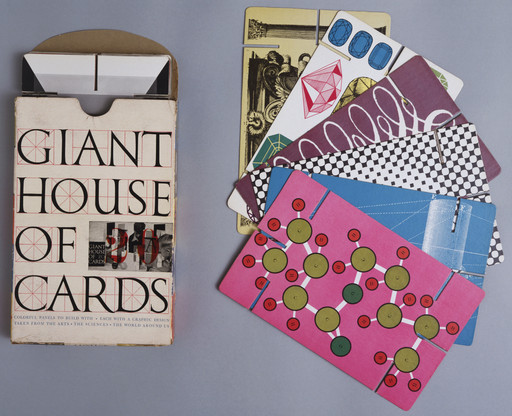
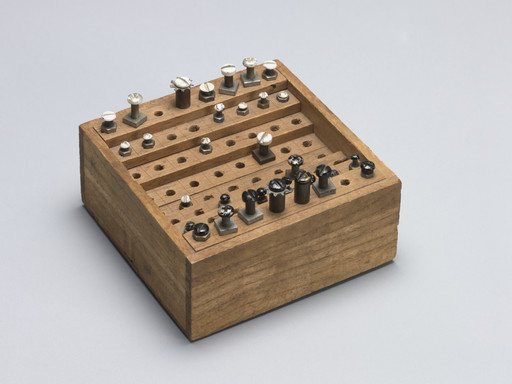
The New Spirit in Paris
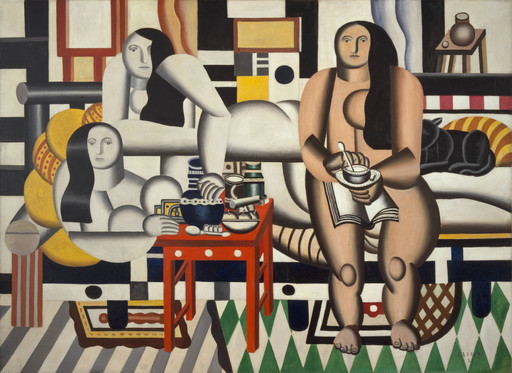
Gallery 513This wide-ranging list, which appeared on the cover of the inaugural issue of the journal L’Esprit nouveau, in 1920, summarizes the energetic, boundary-crossing spirit of Paris between the two world wars.
Learn more →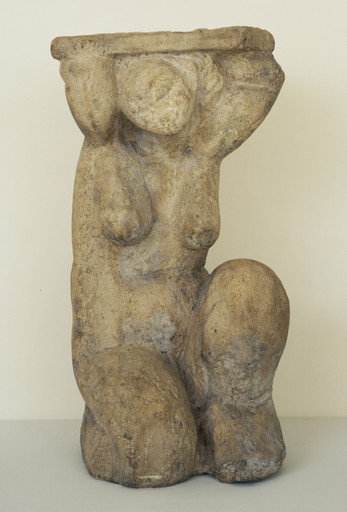



From MoMA Design Store


Installation views
We have identified this work in the following photos from our exhibition history.
Licensing
Artwork or archival images
If you would like to reproduce an image of a work of art in MoMA's collection, or an image of a MoMA publication or archival material (including installation views, checklists, and press releases), please contact Art Resource (publication in North America) or Scala Archives (publication in all other geographic locations).
Audio and film clips
MoMA licenses archival audio and select out of copyright film clips from our film collection. At this time, MoMA produced video cannot be licensed by MoMA/Scala. All requests to license archival audio or out of copyright film clips should be addressed to Scala Archives at [email protected]. Motion picture film stills cannot be licensed by MoMA/Scala. For access to motion picture film stills for research purposes, please contact the Film Study Center at [email protected]. For more information about film loans and our Circulating Film and Video Library, please visit Circulating Film and Video Library.
Text from a publication or the archives
If you would like to reproduce text from a MoMA publication, please email [email protected]. If you would like to publish text from MoMA's archival materials, please fill out this permission form and send to [email protected].
Feedback
This record is a work in progress. If you have additional information or spotted an error, please fill out this feedback form.